Sponsored by Spectrum
From medical documents and emails to Instagram posts of cute animals, your internet connection is a vital part of the modern home. In 2026, it’s hard to imagine a house that doesn’t rely on the internet for work or play.
But how does a modern home internet connection actually work? For a task as simple as watching a YouTube video, it relies on a complex network of cables, servers, and computers that stretch across the globe. In addition, traditional labels like fiber or cable internet no longer neatly apply to home internet service.
Modern internet service providers (ISP) like Spectrum have even invested millions into nationwide fiber-powered networks that primarily use high-speed fiber-optic cable to deliver internet to homes and businesses. Fiber-optic cables offer benefits like faster internet speeds and enhanced reliability.
How do these fiber-powered networks work? In this guide, we’ll break down how an internet connection sends data from a website to your home.
Step 1. Data leaves the data center
Let’s say you want to watch a YouTube video at home on your laptop. Your YouTube video’s journey starts at the website’s data center, which is a warehouse filled with thousands of hard drives that store website data.
Once you click play on your video, the data center sends data packets out to begin a route that’s simultaneously long (by distance) and short (by time).
Step 2. Your data packet hits the road
What we think of as the internet is, in reality, a complex network of cables, servers, and other hardware that stretch across the world. Thousands of miles worth of fiber-optic cable stretch across the U.S. to provide coast-to-coast internet service. For instance, Spectrum’s Fiber Broadband Network has surpassed more than 1 million miles of infrastructure in the United States.
Installation teams in neighborhoods like your town regularly install high-speed fiber-optic cables in areas like underground trenches or above-ground power lines. Your data packet’s exact route depends on your location, but it’ll typically go from a data center to a major city or fiber ring near your home.

Step 3. Your data reaches the neighborhood
When you’re out on an evening walk, have you ever seen large utility boxes near the road or small tubes on an electrical pole labeled with an ISP’s logo? These are network nodes, which are the next stop in your video’s journey.
These large boxes act as pit stops between regional cable thoroughfares and your neighborhood’s internet traffic. In most new neighborhoods, each home’s internet traffic will be routed through a node.
Step 4. Your data finally heads home
After a journey that took both miles and seconds, your YouTube video has finally come to your home’s internet wiring.
Let’s zoom out for a second to talk about the key distinctions that separates a fiber-powered network like Spectrum from the outdated perception of a cable internet network. Fiber internet offers benefits like faster upload speeds and upgraded service reliability compared to legacy cable internet networks.
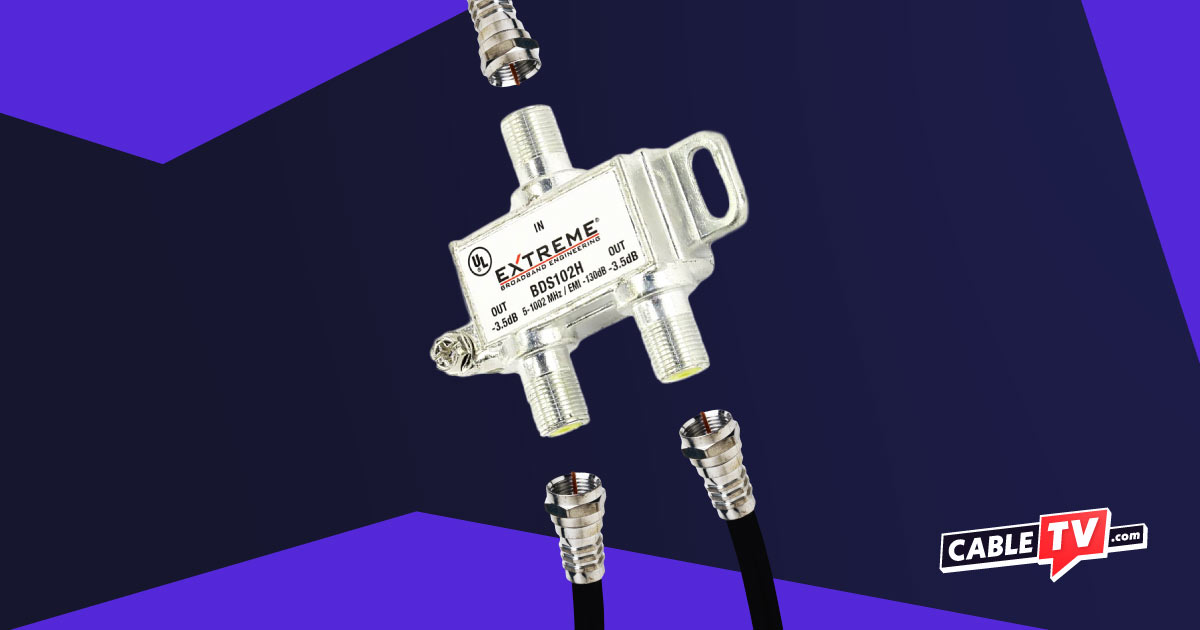
If your home or apartment was built within the past five or seven years, you’ll potentially have a home fiber internet connection already set up. If your home is slightly older, you’ll likely have coaxial wiring connecting your home to your ISP’s network.
Fiber-powered networks like Spectrum’s network offer the best of both worlds for consumers. By having fiber be the backbone of its network, subscribers get standard benefits like high-end upload and download speeds. But by harnessing existing coaxial networks for the last-mile connection alongside upgrades like DOCSIS 4.0, fiber-powered networks can offer comparable home internet performance without disrupting your home.
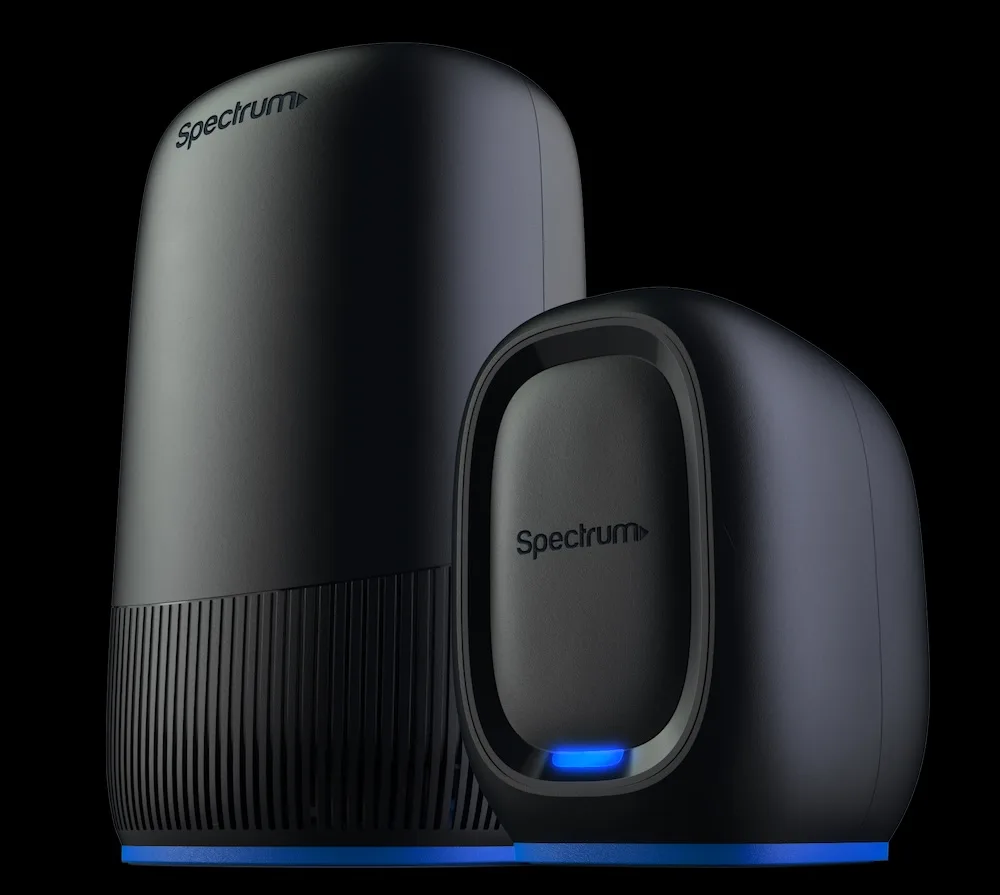
From here, your video’s data packets will get broadcast by your Wi-Fi router and reassembled by your laptop’s Wi-Fi antenna. Now you can watch the video you requested in your laptop’s web browser.
Internet networks across the nation are vital when it comes to getting homes like yours online. Fiber-backed networks from providers like Spectrum offer fast speeds and high reliability with zero compromises compared to other internet types.
This is because fiber-backed networks primarily use fiber-optic cable to get home online and offer enhanced internet performance. If fiber-backed networks are in your neighborhood, you can rest assured that your home’s internet will continue to get stellar performance.